A dentist tells you that you need a crown, then mentions root canal treatment in the same breath, and suddenly, a routine repair sounds far more serious than expected. This pairing often confuses patients at first. It actually follows a clear logic once you see what each procedure is protecting underneath the surface.
What a Dental Crown Actually Does
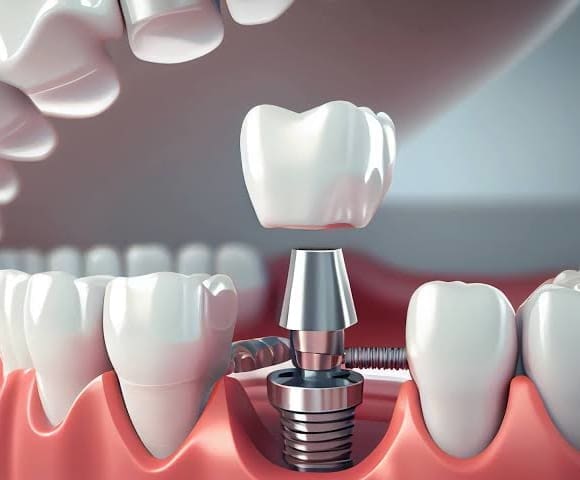
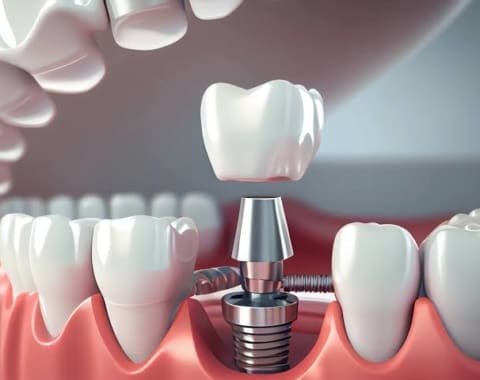
A crown is a custom-made cap that covers the entire visible part of a tooth above the gum line. It restores shape and strength after a large fracture, heavy wear, or a filling that has grown too big to support the tooth safely on its own.
Crowns sit over the remaining tooth structure like a protective shell, cemented firmly into place. They are usually made from porcelain, zirconia, or a metal blend, chosen based on where the tooth sits and how much biting force it needs to handle daily.
Why the Nerve Inside a Tooth Sometimes Becomes the Problem
Every tooth has a soft inner chamber holding nerve tissue and tiny blood vessels, often called the pulp. Deep decay, repeated dental work over the years, or a crack reaching close to this chamber can irritate or infect that nerve tissue.
A crown alone cannot resolve an infected nerve. Sealing a crown over a tooth with a hidden infection simply traps the problem beneath an expensive, hard-to-remove restoration rather than solving it.
Signs a Root Canal Might Be Needed Before a Crown
Your dentist looks for several warning signs during an examination or x-ray before deciding whether the nerve needs to be treated first.
- Lingering pain after hot or cold drinks lasting more than a few seconds
- Tenderness or a dull ache when biting down on that specific tooth
- A small bump or area of swelling on the gum near the tooth
- Noticeable darkening of the tooth compared to its neighbours
- An old filling covering more than half of the visible tooth surface
What Happens During Your Crown Appointment
The dental crown procedure itself usually spans two separate visits once any necessary root canal work has been completed. During the first visit, your dentist removes any remaining decay and reshapes the tooth into a precise form that will support the new crown securely.
A scan or impression is taken at this stage, sent off to a dental laboratory that crafts the finished crown to match your bite and surrounding teeth. A temporary crown protects the prepared tooth while you wait for the permanent one to arrive, so eating and speaking stay comfortable in the meantime.
- First visit removes decay and shapes the tooth for an accurate fit
- A temporary crown shields the tooth between visits
- A laboratory crafts the permanent crown from your scan or impression
- Second visit fits, adjusts, and permanently cements the finished crown
How Long Each Stage Typically Takes
Root canal treatment often takes one to two visits, depending on how many canals the tooth contains and how complex its root shape turns out to be. Front teeth tend to finish faster than back molars, which usually have more canals to clean and seal.
Once any root canal work is complete, fitting the crown itself typically adds another one to two visits as part of the same overall dental treatment plan, spaced roughly one to two weeks apart while the laboratory manufactures the finished piece. Some practices offer same-day crown milling for simpler cases, though a lab-made crown remains the more common, well-tested route for most patients. Healing time between the two stages also gives any lingering inflammation around the tooth a proper chance to settle before the final fit.
What to Expect While You Recover
Mild tenderness around the tooth for a few days after root canal treatment is normal and usually manageable with over-the-counter pain relief. Your bite may feel slightly unfamiliar for a day or two after the new crown goes in, settling quickly as your jaw adjusts to the new surface.
Your dentist checks the fit, bite, and gum health at a follow-up appointment, making small adjustments if anything feels off. Most patients return to eating and drinking normally within a day of the final crown being fitted, and any minor sensitivity to temperature usually fades within a couple of weeks as the tooth settles fully.
Frequently Asked Questions
1. Does getting a root canal before a crown hurt more than just fitting a crown alone?
Modern local anaesthetics keep root canal treatment itself comfortable for almost every patient. Most of the discomfort people remember actually comes from the original infection beforehand, not the procedure that fixes it.
2. Can a tooth get a crown without ever needing a root canal?
Yes, plenty of crowns are fitted purely for structural reasons on teeth with healthy, pain-free nerves that simply need extra support after wear or a large filling.
3. How will I know if my crowned tooth needs a root canal years later?
Persistent ache, swelling near the gum, or sensitivity around a crowned tooth are worth getting checked, even if the crown itself was fitted several years earlier.