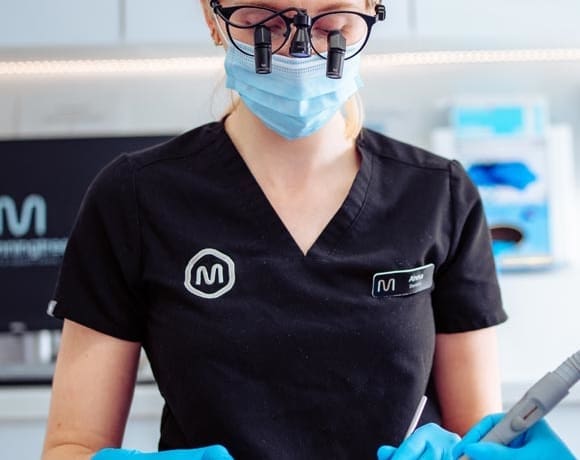

Minor pain is easy to ignore, such as a sharp pain when you drink cold water or a dull ache that disappears and returns. Life is hectic, and we do not always feel tooth pain is a priority. Many people think that it will just go away. Actually, most of the time, mild tooth pain is the first indication of a problem.
Dentists at Manningtree Dental and Implant Centre regularly encounter such cases. Patients come in with an expectation that they are facing a minor problem, and then realize that the delay in dental treatment has led the problem to worsen. What initially seems like a minor annoyance can surreptitiously develop into a more serious and expensive issue.
Why Minor Tooth Pain Should Never Be Ignored
It is not entirely unpredictable when you get a toothache. Teeth are encased with nerves, bones, and soft tissues. Pain normally means that one of these parts is undergoing stress. Even slight pain is the body’s calling for help to get a problem fixed.
Often, a prompt visit to the dentist will allow the issue to be sorted out quickly with a very minor intervention. However, if dental pain is neglected, the decay or infection could worsen and affect the adjoining teeth and gums. The more time it takes, the more complicated the solution is likely to be.
Common Causes Behind Mild Tooth Pain
There are quite a few reasons why minor tooth pain might happen. Some of these reasons can be easily fixed if they are noticed early enough.
- Early tooth decay
- Small cracks in the enamel
- Gum inflammation or early gum disease
- Teeth grinding or clenching
- Sensitivity from worn enamel
All these issues can become dangerous without showing any symptoms. Pain may disappear for a while, giving people a false impression that they are fine when, in fact, the damage is going on under the surface.
How Small Problems Become Bigger Ones
A small cavity won’t simply stay small. After decay has reached deep into the tooth’s inner layers, it could have an impact on the nerve. At this point, pain usually becomes more intense and constant.
Gum problems go through the same stages. Slight bleeding of the gums is the early stage of gum disease, which, if left untreated, might develop into bone loss and tooth loosening. Such changes do not necessarily cause pain at the beginning, so it is quite easy to miss them by looking at the teeth without a professional check.
The Financial Impact of Waiting Too Long
Delaying dental check-ups and treatments usually results in the need to perform more complicated work on the teeth. For instance, a filling might need to be replaced with a root canal treatment. What started as a minor infection can later require the extraction of the tooth and the insertion of a dental implant as a replacement.
Costs tend to rise as treatment becomes more involved. More appointments, advanced procedures, and longer healing times all add up. Acting early is usually simpler for both oral health and long-term expenses.
As your treatment gets more complicated, the costs usually go higher. Each visit, higher-tech treatments, and greater recovery periods add up to the total amount. If the problem comes to light and is treated at an early stage, it is generally less of an ordeal for both your oral health and your pocket in the long run.
The Role of Regular Dental Check-Ups
Seeing your dentist regularly is important for identifying any issues in their early stages. Dentists can locate minor issues that are not even causing severe pain.
Dental check-ups at Manningtree Dental and Implant Centre usually find the initial symptoms of decay, gum disease, or bite problems before the situation becomes serious. Routine visits to the dentist help to solve problems when they are still small and do not interfere with life.
Pain Does Not Always Match the Severity
One of the most misleading aspects of dental issues is that pain levels do not always reflect seriousness. Some severe infections cause very little discomfort at first.
Conversely, sharp sensitivity might come from something relatively minor. This imbalance is why self-diagnosing based on pain alone is risky. Professional assessment is the safest way to know what is happening.
How Early Action Protects Your Smile
Early care helps preserve natural teeth. Saving the original tooth structure is almost always preferable to replacing it later. Timely intervention also protects surrounding teeth and gum tissue.
Patients who act quickly often need fewer procedures and recover faster. This approach supports long-term oral stability and comfort.
Bite Issues and Alignment Problems Can Add Pressure
Minor pain is not always caused by decay. Bite imbalances or crooked teeth can place uneven pressure on certain areas, leading to soreness or sensitivity over time.
When alignment problems are addressed early, strain on teeth and jaws can be reduced. In some cases, solutions like Invisalign braces treatment can help correct alignment issues before they contribute to ongoing discomfort or wear.
Why Waiting Can Affect Overall Health
Oral health is closely linked to general well-being. Infections in the mouth can spread and may contribute to other health concerns if left untreated.
Chronic dental issues can also affect eating habits, sleep quality, and confidence. What begins as a small ache can quietly influence daily life in unexpected ways.
Taking Tooth Pain Seriously Pays Off
Listening to early warning signs is one of the simplest ways to protect your oral health. Prompt attention keeps problems manageable and helps maintain a healthy, functional smile.
Choosing to act early means fewer surprises, clearer treatment options, and better long-term outcomes.
Conclusion
Minor tooth pain is easy to dismiss, but it often signals a developing issue that deserves attention. Addressing discomfort early helps prevent complications, protects natural teeth, and reduces long-term costs. Regular check-ups and timely care remain the most effective ways to keep small problems from becoming major ones.
FAQs
Is mild tooth pain always a sign of a serious problem?
Not always, but it should never be ignored. Even mild discomfort can indicate early decay, gum issues, or bite problems.
Can tooth pain go away on its own?
Pain may fade temporarily, but the underlying cause often remains. Without treatment, the issue can return and worsen.
How soon should I see a dentist for tooth pain?
If pain lasts more than a day or keeps returning, it is best to book an appointment. Early evaluation helps prevent complications.