A smile that has lost its brightness can affect how confident a person feels in everyday life. In many cases, the cause is not decay or damage but a build-up of surface staining that regular brushing cannot fully remove.
Professional teeth stain removal is designed to deal with exactly this problem. This article explains what causes the staining, how the treatment works, what results to expect, and how to keep them for as long as possible.
What Causes Surface Stains on Teeth?
Surface stains, known as extrinsic stains, form on the outer layer of the tooth. Coffee, tea, red wine, dark sauces, and certain foods are common causes, as is tobacco. The pigments in these substances cling to the enamel and to the thin film of plaque that coats it.
Over months and years, the colour deepens, and the teeth begin to look yellow, grey, or brown. Because these stains sit on the outside of the tooth, they respond well to professional cleaning, unlike stains that develop within the tooth structure.
What Is Professional Teeth Stain Removal?
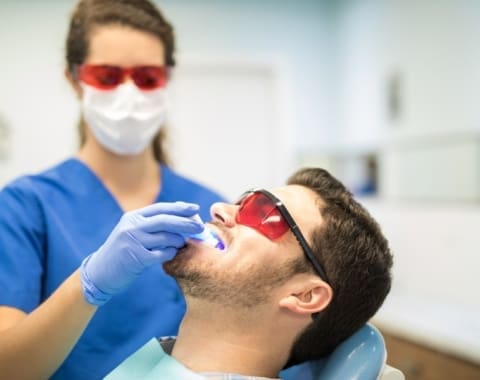
Stain removal is a cosmetic hygiene treatment that lifts discolouration from the tooth surface and restores its natural brightness. It is carried out by a dental professional using specialist instruments, and it goes considerably further than an ordinary toothbrush at home.
At Manningtree Dental and Implant Centre, the professional teeth stain removal is tailored to the individual, so the approach depends on how much staining is present and where it has collected. No anaesthetic is needed, and the stain removal treatment takes 30 minutes. The result is a cleaner, brighter-looking smile without drilling or injections.
Step-by-Step Treatment
The process begins with an examination.
- Your dentist looks at the extent of the staining and talks through the result you would like.
- Next, the teeth are cleaned to remove plaque and tartar, because these deposits trap pigment and prevent the surface from being treated evenly.
- The stain removal itself follows, using scaling tools and polishing techniques to target discolouration carefully.
- In some cases, a mild abrasive paste is added to improve the effect.
- The visit ends with a final polish.
Each stage is explained as it happens, so you know what to expect throughout.
Final Polish
Polishing does more than add shine. It smooths the tooth surface, and a smooth surface gives plaque and pigment less to hold on to. Rough areas on enamel act like small traps for food and drink particles, so removing them slows the return of discolouration.
This is why the polish is treated as a necessary part of the appointment and not an optional finish. Many patients notice that their teeth feel smoother to the tongue straight away, in addition to looking brighter.
How Is Teeth Stain Removal Different From Teeth Whitening?
Professional stain removal targets external discolouration. Mainly caused by coffee, tea, food, and smoking, helping restore teeth to their natural shade. However, intrinsic stains develop within the tooth and cannot be removed through cleaning alone. Teeth whitening uses bleaching agents to lighten the natural tooth colour.
This makes it a potential option for certain types of deeper discolouration. Your dentist can examine your teeth, identify the cause of staining, and recommend the most suitable treatment. In some cases, stain removal may be performed before whitening to reveal the natural tooth shade more clearly.
How To Keep Your Teeth Stain-Free After Treatment?
Good daily habits protect the result. Brush and floss regularly, and limit foods and drinks known to cause staining. When you do have tea, coffee, or red wine, rinsing your mouth with water afterwards helps reduce the time pigment stays on the teeth.
A whitening toothpaste can also help you maintain a brighter smile, though it should be used as directed. Giving up smoking is one of the most effective steps, as tobacco is a major cause of persistent staining.
How Often Should Stain Removal Be Carried Out?
The right interval depends on lifestyle and oral hygiene. For most people, a treatment every six months to a year is enough to keep the teeth looking bright. Those who drink a lot of tea or coffee, enjoy red wine often, or smoke may need appointments more frequently.
Your dentist will advise you at your consultation, based on how quickly staining returns. Results vary from person to person, so the length of time the effect lasts cannot be fixed in advance.
Why Choose Manningtree Dental and Implant Centre?
Manningtree Dental and Implant Centre offers a full range of dental hygiene treatments, including scale and polish, stain removal and Airflow, alongside cosmetic options such as tooth whitening and porcelain veneers.
This means that if your stains turn out to be deeper than expected, further options are available under one roof. Treatment at our Essex dental clinic is planned around the individual after a thorough examination, and the team includes registered dentists and hygienists.
Book your appointment with Manningtree Dental and Implant Centre today and take the first step towards a cleaner, brighter smile.
Frequently Asked Questions
1. How long does a stain removal appointment take?
The stain removal treatment takes 30 minutes. Most treatments are completed in a single visit. Your dentist will give you an estimated time during the initial consultation, so you can plan your day accordingly.
2. Is the treatment painful?
No anaesthetic is required, and most patients find the treatment comfortable. Those with naturally sensitive teeth may notice slight discomfort during or shortly after the appointment. This is usually short-lived and can be eased with desensitising toothpaste. Your dentist can also adjust the technique to keep you at ease.
3. Can stain removal remove every type of stain?
No. It is most effective on surface stains caused by food, drink and smoking. Stains that form inside the tooth structure are harder to reach through cleaning alone. In those cases, your dentist may recommend professional whitening or veneers after assessing the cause of the discolouration.
4. Will the stains come back after treatment?
Staining can return if the habits that caused it continue. Polishing smooths the surface, which makes it harder for new stains to stick, and good brushing, flossing and a reduced intake of staining drinks help the results last. Regular visits every six to twelve months are usually suggested.
5. How do I book a stain removal appointment?
You can book online through the practice website or telephone 01206 391 065. A free telephone consultation is also available if you would like to ask questions first. The practice is open Monday to Friday from 9 am to 5 pm and on Saturdays from 8 am to 2 pm.