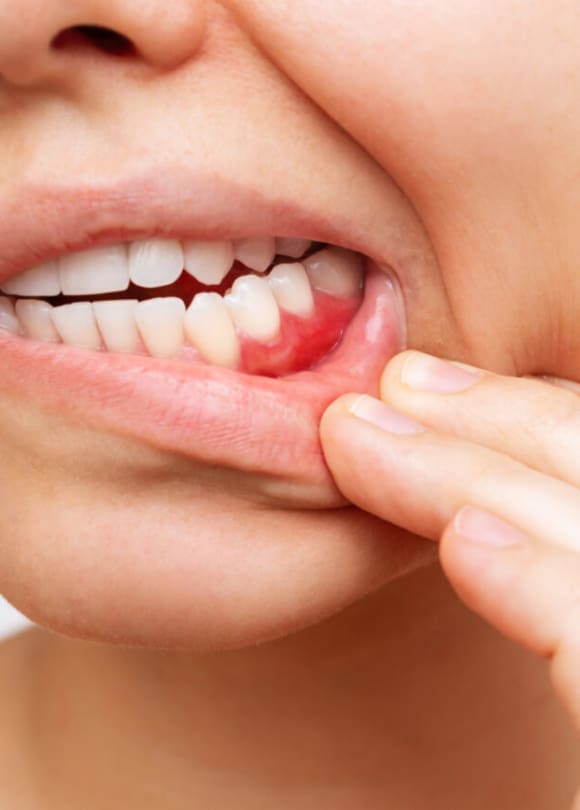

Bleeding gums are often ignored at first. You may notice a little pink in the sink while brushing or flossing and assume it is nothing serious. However, gums that bleed regularly are sending a clear signal that something is not right.
At Manningtree Dental and Implant Centre, gum health is treated as a priority, not an afterthought. Bleeding gums are commonly linked to plaque build-up, tartar deposits, and early gum disease. The good news is that in many cases, the solution is straightforward and highly effective.
Let us look at why this happens and how professional care can help.
Why Do Gums Bleed?
Healthy gums should not bleed during normal brushing or flossing. If they do, it usually points to inflammation caused by plaque bacteria.
Plaque is a soft, sticky film that forms on teeth every day. If not removed properly, it hardens into tartar. Once tartar builds up along the gumline, it irritates the surrounding tissue.
Common causes of bleeding gums include:
- Plaque and tartar accumulation
- Inconsistent brushing or flossing
- Early-stage gum disease, known as gingivitis
- Smoking
- Poorly fitted dental restoration
- Periodontitis (advanced gum disease)
When plaque remains in place, bacteria multiply. The gums react by becoming red, swollen, and more likely to bleed.
What Is a Professional Scale and Polish?
A professional dental scale and polish is a clinical cleaning procedure carried out by a dentist or hygienist. It goes beyond what brushing at home can achieve.
The treatment has two main parts:
1. Scaling
Scaling removes hardened tartar and plaque from:
- The tooth surface
- Along the gumline
- Slightly below the gum margin if needed
Specialised instruments are used to break up and safely remove these deposits.
2. Polishing
After scaling, the teeth are polished using a rotating brush and a professional paste. This smooths the surface of the teeth and removes surface stains.
A smoother tooth surface makes it harder for plaque to stick again quickly.
How Scale and Polish Helps Stop Bleeding
When tartar and plaque are removed, the source of irritation is eliminated. Without constant bacterial attack, the gums can begin to heal.
You may notice:
- Reduced bleeding within days
- Less swelling
- Healthier gum colour
- Fresher breath
In early gum disease, professional cleaning alone is often enough to reverse the condition.
If gum inflammation is left untreated, it can progress to periodontitis. At that stage, the supporting bone may become affected. Early action makes a significant difference.
What to Expect During Your Appointment
Patients often delay care because they worry about discomfort. In reality, the procedure is straightforward and usually well tolerated.
At Manningtree Dental and Implant Centre, appointments are structured to ensure precision and comfort.
A typical visit includes:
- Examination of your teeth and gums
- Identification of plaque and tartar build-up
- Careful scaling using ultrasonic or hand instruments
- Polishing to smooth and clean the surfaces
- Personalised oral hygiene advice
If your gums are particularly inflamed, you may feel mild sensitivity. This usually settles quickly once the inflammation reduces.
How Often Should You Have It Done?
For most adults, a professional clean is recommended every six months. However, this can vary depending on individual risk factors.
You may need more frequent visits if you:
- Smoke
Smoking makes it harder for your gums to stay healthy. It slows healing and allows bacteria to cause damage more easily, sometimes without clear warning signs. Regular professional cleans help keep things under control. - Have a history of gum disease
If you have had gum problems before, they can come back. Gum health needs ongoing care. More frequent visits help catch inflammation early and prevent it from progressing. - Have diabetes
Diabetes can make your gums more sensitive to infection and slower to heal. Keeping up with regular dental visits supports both your oral health and your overall wellbeing. - Build up tartar quickly
Some people naturally form tartar faster than others, even with good brushing habits. More regular cleaning appointments help prevent that build-up from irritating your gums.
Regular appointments prevent small issues from becoming more complex problems.
The Link Between Gum Health and Overall Oral Care
Bleeding gums rarely exist in isolation. They are often connected to broader oral health habits and maintenance routines.
A professional cleaning supports:
- Cavity prevention
- Long-term tooth stability
- Fresh breath control
- Protection of dental restorations
This is why preventive visits are considered essential, not optional.
At a clinic such as Manningtree Dental and Implant Centre, preventive care is integrated into routine check-ups. The aim is to keep treatment simple rather than reactive.
When Bleeding Gums Need More Than Cleaning
In many cases, scale and polish resolves early inflammation. However, if gum disease has progressed, further dental treatment may be required.
Signs that additional care may be necessary include:
- Persistent bleeding
- Receding gums
- Loose teeth
- Deep gum pockets
In such situations, more advanced periodontal procedures may be discussed. The earlier gum issues are addressed, the simpler the solution tends to be.
Preventing Bleeding Gums at Home
Professional care works best when combined with consistent home maintenance.
Daily habits that support gum health include:
- Brushing twice daily with fluoride toothpaste
- Cleaning between teeth with floss or interdental brushes
- Replacing your toothbrush every three months
- Reducing sugar intake
- Attending regular dental check-ups
Even with excellent brushing, tartar can still form in hard-to-reach areas. That is why professional cleaning remains important.
Why Early Action Matters
Bleeding gums are often painless in the beginning. This makes them easy to ignore. However, gum disease is one of the leading causes of tooth loss in adults.
Addressing inflammation early:
- Protects your natural teeth
- Prevents bone damage
- Reduces future treatment costs
- Maintains long-term oral stability
Taking action at the first sign of bleeding is a practical step toward preserving your smile.
FAQs
1. Is bleeding during brushing normal?
Occasional minor bleeding can happen if you floss aggressively. Regular bleeding, however, is not normal and should be assessed by a dental professional.
2. Is a scale and polish painful?
Most patients find the procedure comfortable. You may feel slight sensitivity if there is significant tartar build-up, but this is temporary.
3. How quickly will my gums improve after treatment?
Many patients notice improvement within a few days. Full healing depends on the severity of inflammation and your home care routine.