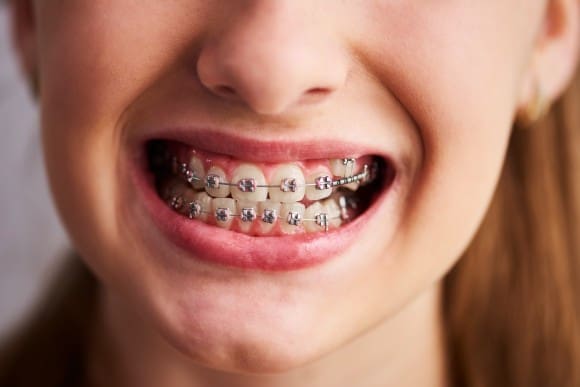

Getting braces is a big step toward a straighter, healthier smile. But the journey does not end the moment they are fitted. How you look after your braces day to day has a huge impact on your final results – and on your overall oral health while you are in treatment. The good news is that caring for braces is not complicated once you know what to do and what to avoid.
Why Braces Care Matters More Than You Think
Braces create lots of small spaces where food and plaque can hide. If those areas are not cleaned properly, you risk tooth decay, gum inflammation, and white spot marks on your enamel that can be permanent. On top of that, damaging your brackets or wires can set your treatment back by weeks – sometimes months.
Taking care of your braces is not just about keeping them clean. It is about protecting your teeth and making sure your treatment stays on track from start to finish.
Cleaning Your Teeth With Braces
This is where most patients need to put in the most effort. Brushing with braces takes longer than usual, and you need to be more thorough.
How to Brush Properly
With fixed metal braces, the standard two-minute brush is not enough. You need to clean around each bracket, above and below the wire, and along the gumline. Here is how to do it well:
- Use a soft-bristled toothbrush or an electric brush with a round head
- Hold the brush at a 45-degree angle to the gum and brush in small circular motions
- Brush above the wire, then below it, on every single tooth
- Do not forget the inner surfaces and biting edges
- Brush after every meal if possible – at a minimum, twice a day
Interdental brushes are a game-changer here. These small, pipe-cleaner-style brushes slide in between the wire and the tooth to clear out debris that a regular brush cannot reach. Keep a few in your bag or at your desk so you can use them after lunch.
Flossing with Braces
Flossing is harder with braces, but it is not optional. Use a floss threader or orthodontic floss tape to thread the floss under the wire and between each pair of teeth. Water flossers are also a great tool – they use a pressurised stream of water to flush out particles from around your brackets and along the gumline.
Foods to Avoid During Treatment
What you eat has a direct effect on your brackets, wires, and the overall progress of your treatment. Some foods can snap brackets off or bend wires, which means emergency appointments and delays.
Foods That Can Damage Your Braces
Avoid anything hard, sticky, or chewy. Specifically, stay away from:
- Hard sweets, toffees, and chewing gum
- Crusty bread, hard rolls, and pizza crusts
- Popcorn – the husks get trapped and can break brackets
- Nuts and hard seeds
- Whole apples and raw carrots (cut them into small pieces instead)
- Ice – many people chew ice without thinking, but it is one of the most common causes of bracket damage
Sticky foods are particularly problematic because they cling to brackets and are nearly impossible to remove fully with brushing alone. This significantly increases the risk of decay around your brace attachments.
What You Can Eat Comfortably
Soft foods are your best friends during treatment. Pasta, rice, mashed potatoes, soft-cooked vegetables, eggs, yoghurt, and bananas are all safe options. You do not have to eat a bland diet – just be mindful of texture and bite size.
Managing Discomfort and Soreness
Some soreness after your braces are fitted – or after each adjustment appointment – is completely normal. Your teeth are being gradually moved, and that creates pressure and mild aching, usually for a few days at a time.
Tips for Relieving Soreness
Rinsing with warm, salty water several times a day can help soothe tender gums. Over-the-counter pain relief such as ibuprofen or paracetamol is fine to use as directed. Eating soft foods during those first few days after an adjustment makes a noticeable difference in comfort.
If a wire is poking your cheek, use orthodontic wax to cover the sharp end temporarily. Roll a small piece between your fingers until it is soft, then press it over the irritating wire or bracket. This does not fix the problem permanently, so contact your orthodontist to have it trimmed or adjusted.
Wearing Your Elastics and Retainers as Directed
Many patients with braces are also given elastics – small rubber bands that attach between upper and lower brackets to help with bite correction. These only work if you wear them consistently. Forgetting to put them back in after eating or brushing can slow your treatment significantly.
At Manningtree dental practice, the clinical team puts a strong emphasis on patient education throughout the treatment process. Knowing how and why to use your elastics correctly is part of making sure you get the outcome you are working towards. If you are ever unsure, ask your orthodontist at your next adjustment appointment – they would rather you ask than guess.
Protecting Your Braces During Sports
If you play contact sports, you need a mouthguard. A custom-fitted one made by your dentist offers protection for both your teeth and your brace. Talk to your dental team about getting one made before your season starts.
Even non-contact sports carry risks. A knock to the mouth during cycling, skateboarding, or gym work can damage brackets and injure your lips against the metal. A mouthguard removes that risk entirely.
Keeping Up With Your Check-Up Appointments
Braces require regular adjustment appointments – typically every six to eight weeks. These visits are not optional. Your orthodontist uses them to check progress, tighten wires, replace elastics, and make adjustments to keep your treatment moving in the right direction.
Missing appointments means your teeth stop moving as planned, which stretches out your overall treatment time. If you need to reschedule, do it as soon as possible rather than letting the gap grow too long.
Between visits, keep an eye on your brackets. If one feels loose or a wire snaps, call your dental practice to get it sorted quickly. Leaving a broken component in place can undo progress or cause irritation.
Frequently Asked Questions
1. How often should I brush my teeth when wearing braces?
You should brush at least twice a day – morning and before bed – but ideally after every meal. Food gets trapped around brackets very easily, and the longer it sits there, the higher the risk of decay and staining. A quick rinse or brush after lunch makes a real difference over the course of treatment.
2. Can I still play sports with braces?
Yes, but you should wear a mouthguard whenever there is any risk of impact to your face. A custom-fitted mouthguard from your dental practice offers the best protection. Standard sports mouthguards are also an option, though they may not fit as comfortably over your brace.
3. What should I do if a bracket comes loose or a wire breaks?
Call your orthodontic practice as soon as you notice the problem. In the meantime, use orthodontic wax to cover any sharp edges that are causing irritation. Do not try to fix a broken wire yourself – bending it back can damage your tooth or push it in the wrong direction.